

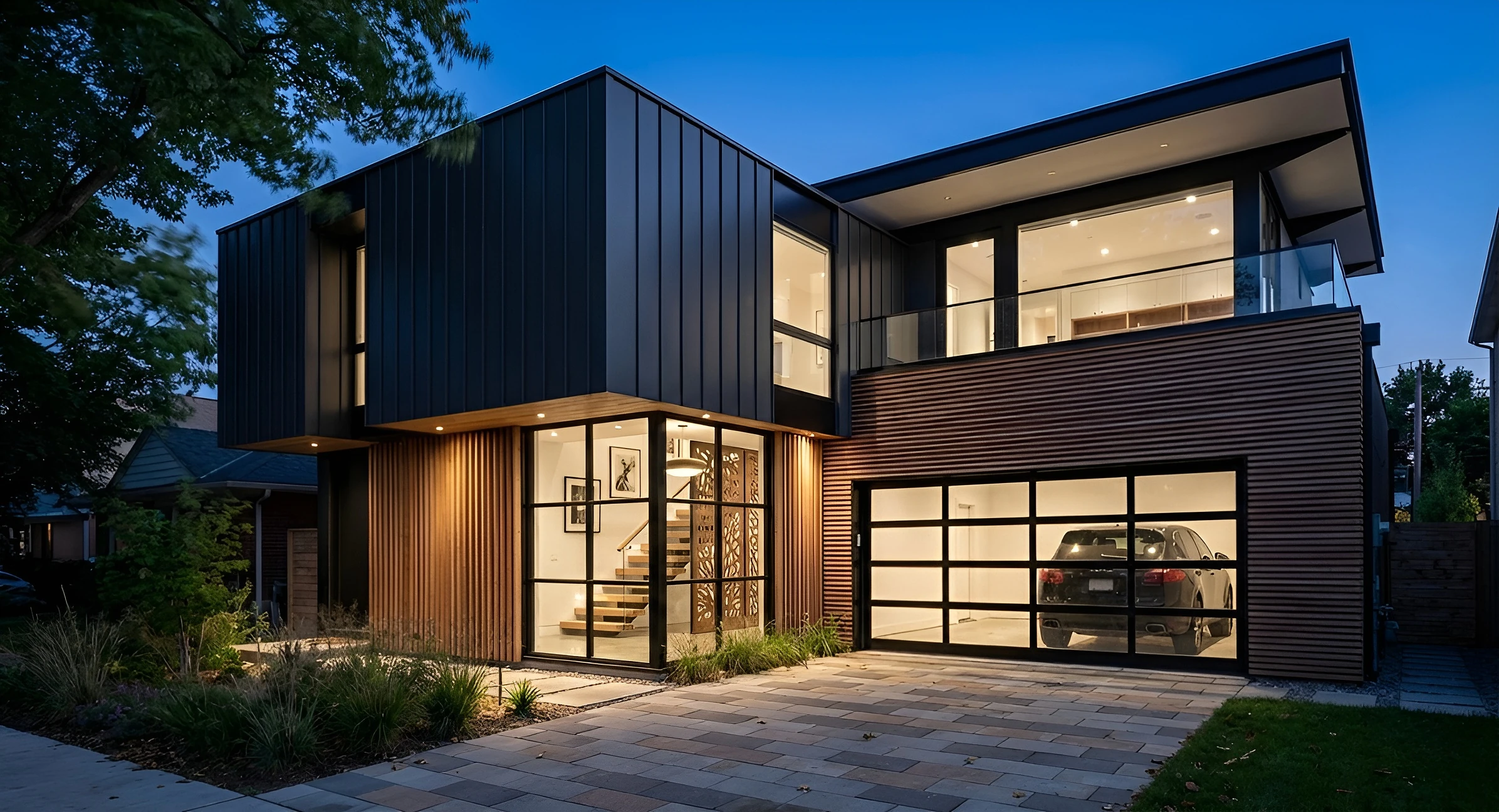
Accessory Dwelling Units — basement apartments, attic conversions, and backyard coach houses — were effectively banned in Chicago for over half a century. That changed in 2021, when the city re-legalized them through a pilot ordinance, and the rules have continued to evolve since. If you own a house or two-flat, here's the practical picture.
The Two Flavors of ADU
Conversion units live inside the existing building — a basement or attic finished into a self-contained apartment with its own kitchen, bath, and entrance. These are the most common and least expensive path, often feasible in the $60,000–$110,000 range depending on existing conditions.
Coach houses are detached backyard buildings — new construction with foundations, full utilities, and complete building-code compliance. Think $200,000+ in most cases. The rental math can still work, but it's a development project, not a renovation.
Where They're Allowed
The 2021 pilot legalized ADUs in five designated zones across the city, and Chicago has since moved to broaden eligibility. Because the boundaries and rules have shifted more than once — and aldermanic input still shapes outcomes in some areas — the honest answer is that eligibility is address-specific. Checking your exact lot against the current ordinance is step one of any ADU conversation, and it's a check we run before talking design or budget.
The most important practical rule: an ADU must be a legal unit — permitted, inspected, and code-compliant. Chicago has a long history of informal basement apartments; converting one into a legal ADU is exactly what the ordinance was designed for, and it's the difference between an asset and a liability when you sell or insure.
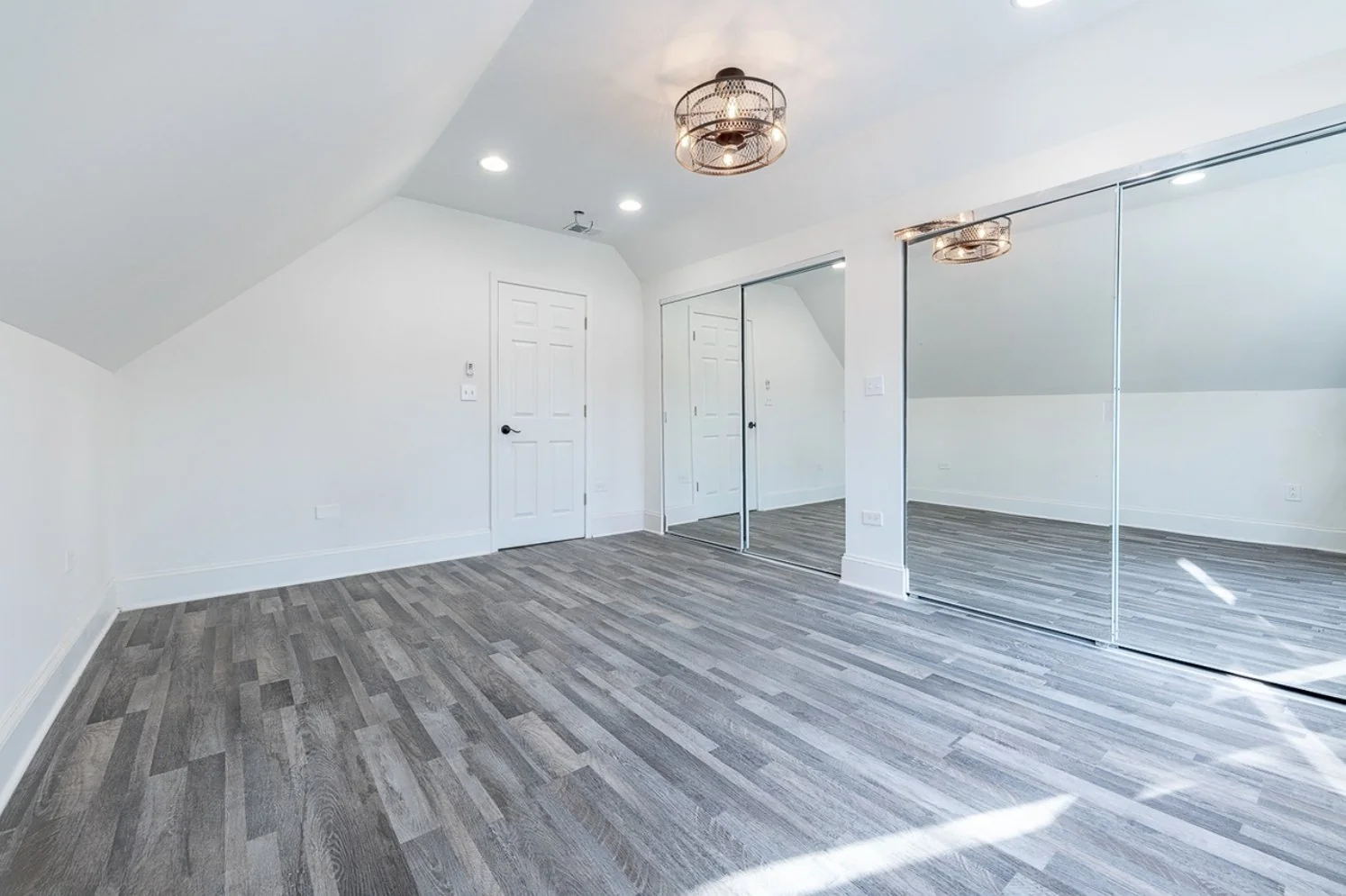
What Makes a Basement ADU Work
- Adequate ceiling height for habitable space (the most common dealbreaker)
- Code egress for sleeping rooms
- Independent kitchen and full bath, with proper venting
- Sound separation and fire-rated assemblies between units
- Moisture conditions that will protect the investment
The Investment Case
A legal ADU adds a rentable unit on land you already own. In neighborhoods where one-bedrooms rent for $1,400–$1,900, a conversion can reach payback in 4–7 years while adding appraised value — which is why investors and house-hackers (run your numbers in our Deal Analyzer) ask us about ADUs more than almost anything else. The constraint is rarely demand; it's eligibility and existing conditions. Start with those two checks.

Build Smarter.
Stay Informed.
Practical Chicago renovation insight — costs, permits, and what we’re learning on real job sites. No spam, unsubscribe anytime.
We’ll confirm your subscription by email.
Almost there — your email app just opened. Hit send and you’re on the list.
Planning a project?
Tell us what you’re thinking — we’ll follow up within 24 hours with a free line-item estimate.